Trauma & Complex Trauma
When what happened to you continues to shape how you anticipate danger, receive care, trust others, or disconnect from your own needs.
Depth-oriented psychotherapy for women
Therapy can help you reconnect with who you’ve always been underneath it all.
Currently welcoming new clients for virtual therapy in D.C., Maryland, and Virginia.
The question beneath the question
You may know why you overthink, why you hold yourself to impossible standards, or why certain experiences still shape the way you move through relationships.
You may even recognize the pattern while it is happening.
And still, something hasn’t changed.
Sometimes what looks like perfectionism, hyper-independence, people-pleasing, control, or relentless productivity is not simply personality. Sometimes these are intelligent adaptations that once helped you survive.
The work is discovering whether they still need to run your life now.

Mind + Body
Sometimes insight begins in the mind. Sometimes the body tells us what words have not yet reached.
02 — My Approach
My approach is integrative, depth-oriented, and trauma-informed. Rather than relying on one method for every person, our work may draw from psychodynamic and psychoanalytic principles, somatic therapy, Internal Family Systems-informed work, CBT, DBT, ACT, and evidence-based trauma treatment.
But modalities are tools—not the destination.
We look at the origins of a pattern, the function it once served, the way it appears in your body and relationships, and what becomes possible when you have enough internal freedom to choose something different.
“Awareness matters. Transformation begins when you can live differently because of what you now understand.”
03 — What We Can Explore Together
When what happened to you continues to shape how you anticipate danger, receive care, trust others, or disconnect from your own needs.
When excellence has become entangled with worth, safety, control, or the fear of disappointing others.
When your mind keeps reviewing, checking, analyzing, and searching for certainty that never quite arrives.
When you are deeply attuned to everyone around you but increasingly disconnected from your own instincts and needs.
When change, responsibility, or uncertainty leaves you questioning who you are, what you want, or how to move forward without abandoning yourself.
When being needed, agreeable, productive, or easy to love has become intertwined with feeling safe, worthy, or connected.
When pregnancy, postpartum, perimenopause, menopause, or other reproductive and hormonal transitions interact with your emotional well-being, sense of self, relationships, or capacity to feel grounded.
04 — What Change Can Feel Like
Making decisions without endlessly interrogating yourself afterward.
Allowing someone to be disappointed without abandoning yourself to restore the relationship.
Experiencing uncertainty without compulsively trying to eliminate it.
Recognizing an old survival response and realizing: I don’t have to do this anymore.
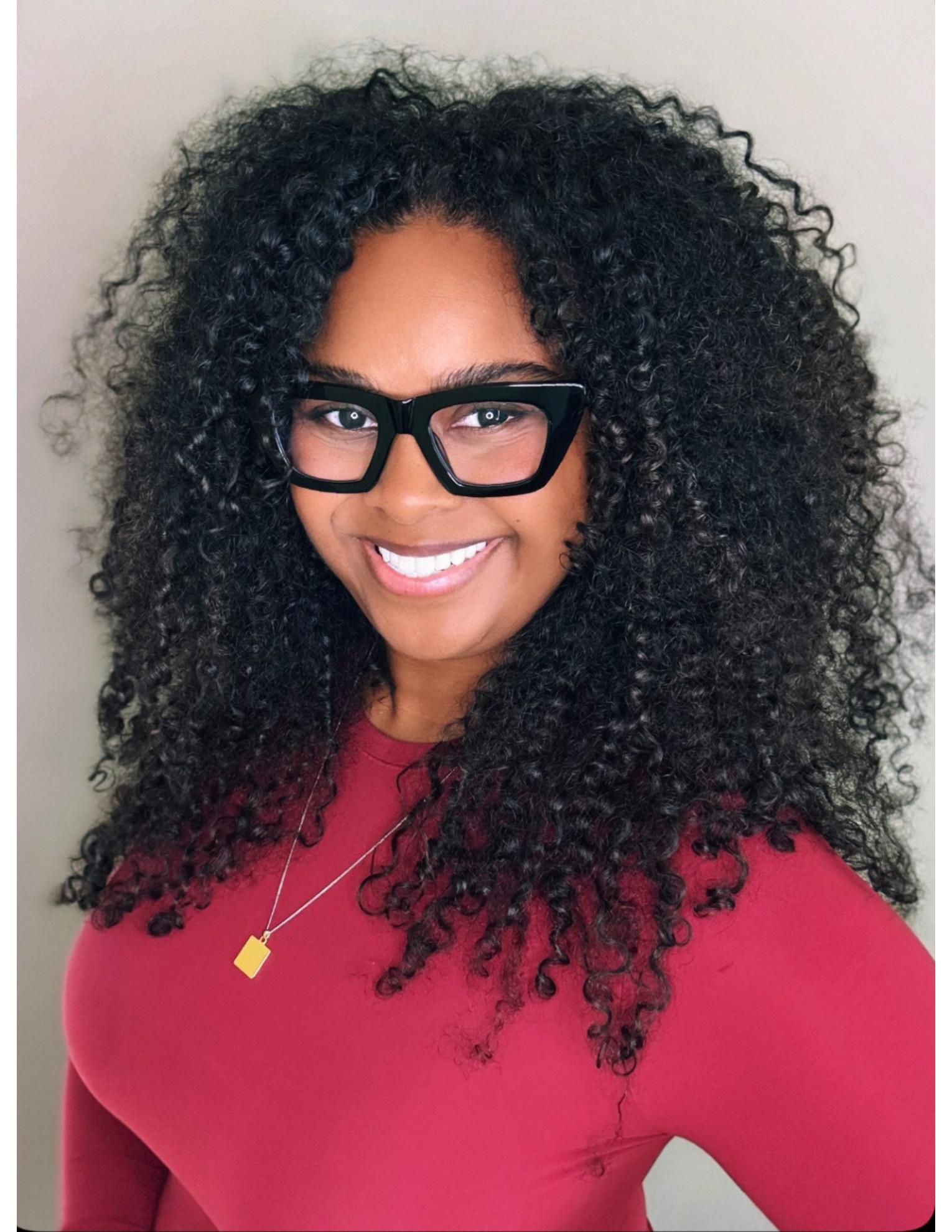
05 — Meet Chya
Over the past three years, I have intentionally deepened the focus of my work within my broader clinical career, centering women’s mental health and wellness across the lifespan.
I understand a woman’s emotional life within the context of her whole life—not separate from her body, relationships, history, identity, or the transitions she is navigating. Hormonal and reproductive transitions can interact with emotional well-being, just as our earliest experiences can continue to influence how we relate to ourselves and others years later. My work makes room for these connections without reducing a woman’s experience to any one explanation.
This focus is both a professional calling and a personal commitment—one rooted in the complexity, strength, and resilience of women. My continued training and study are grounded in evidence-based, somatic, trauma-informed, and depth-oriented approaches that help women gain clarity about the forces shaping their present experience, uncover patterns operating beneath the surface, and create meaningful change that supports a life that feels more integrated, sustainable, and their own.
My Approach
I believe most people don’t need another person to tell them what’s wrong with them.
They need someone who can help them understand why they’ve adapted the way they have—and how to move toward a life that feels more aligned with who they truly are.
06 — Therapy With Chya
Collaborative rather than passive.
We pay attention together—to patterns, contradictions, emotions, defenses, relationships, and what your body may be communicating.
Curious rather than judgmental.
The ways you learned to cope make sense in context. Understanding them creates room for choice.
Grounded without becoming clinical or cold.
Evidence-based tools matter, and so does the complexity of being human.
Focused on lasting change.
Not simply getting through another week, but changing your relationship with what has been keeping you stuck.
Choosing a therapist is an important decision. This free consultation gives you space to ask questions, get clarity about what therapy with Chya is like, and explore whether working together feels like the right fit.
There is no pressure to move forward. If we decide to continue, I’ll explain what you can expect and the next steps for beginning therapy.
Schedule Your Complimentary ConsultationVirtual psychotherapy for women located in Washington, D.C., Maryland, and Virginia.
